Better rider positioning leads to better performance
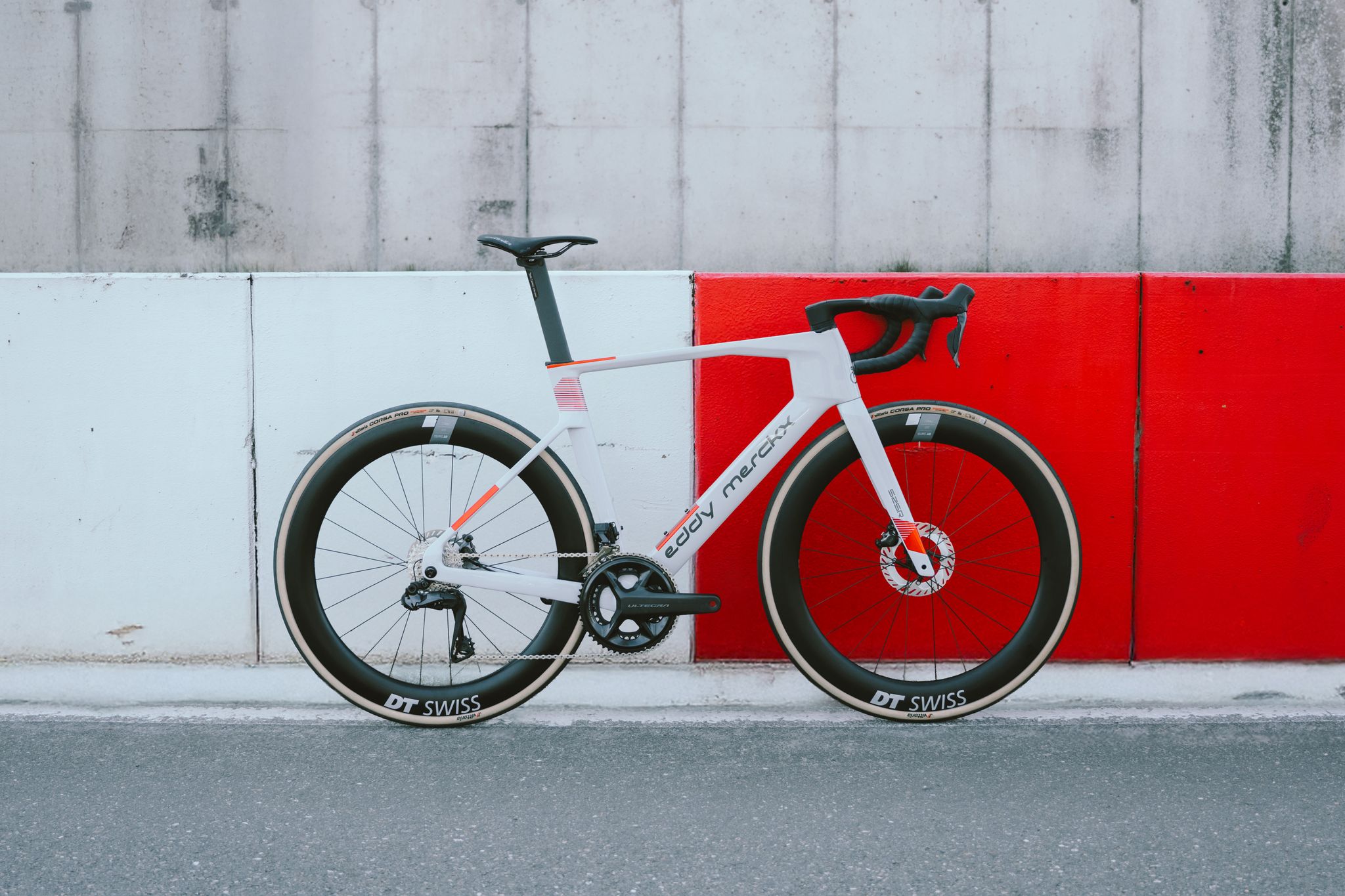
525R
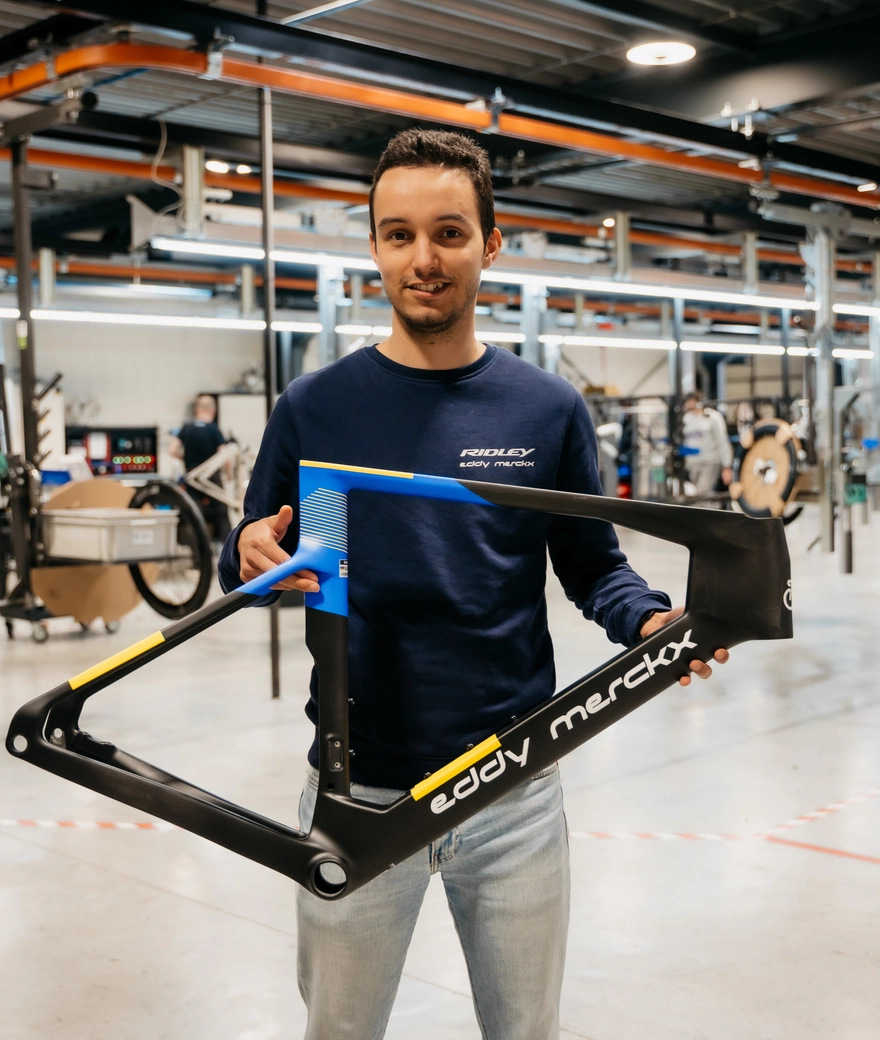
Daan Teugels, Aero Engineer at Belgian Cycling Factory: “Wind tunnel data show that the bike contributes to around 20% of aerodynamic drag, whereas the rider’s position accounts for a massive 80%. With this in mind, we refined our design philosophy: the main goal is to make the rider-bike system as aerodynamic as possible, without sacrificing comfort.”
Optimised rider-bike system
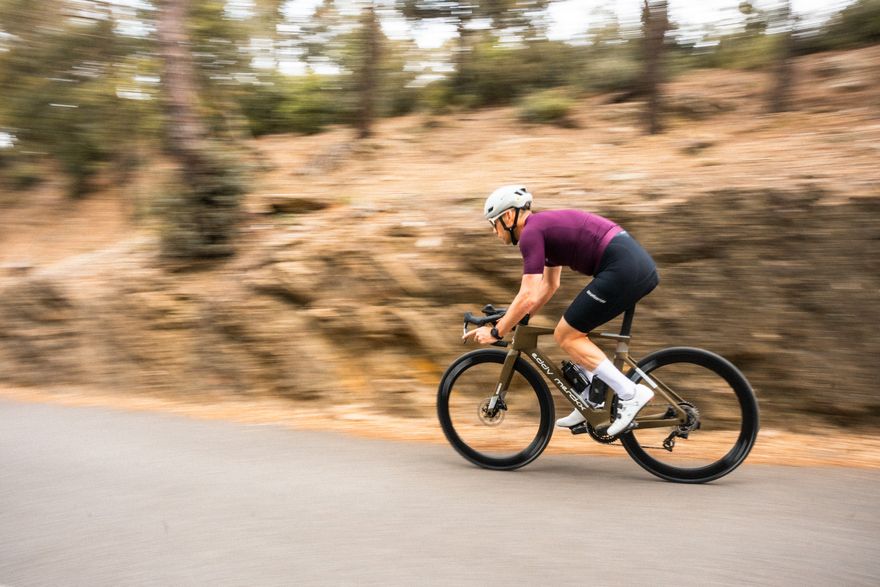
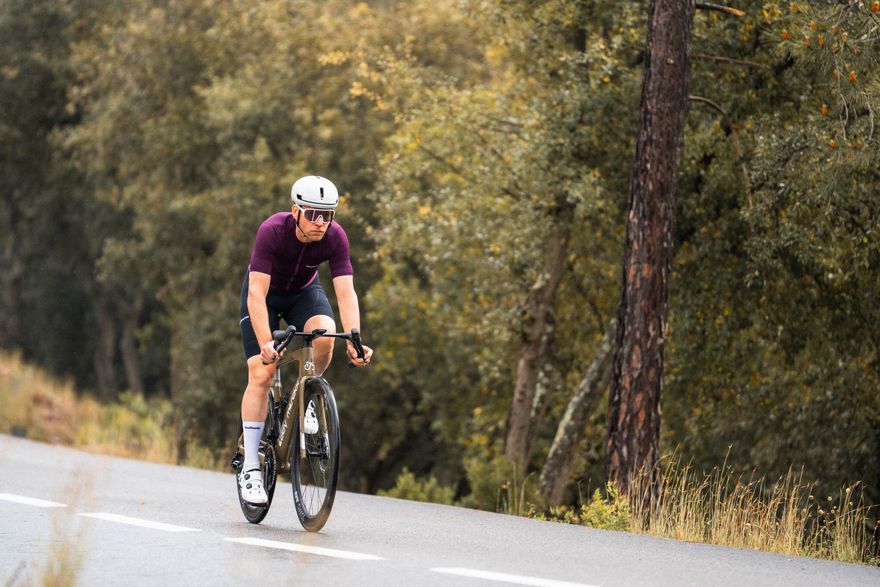
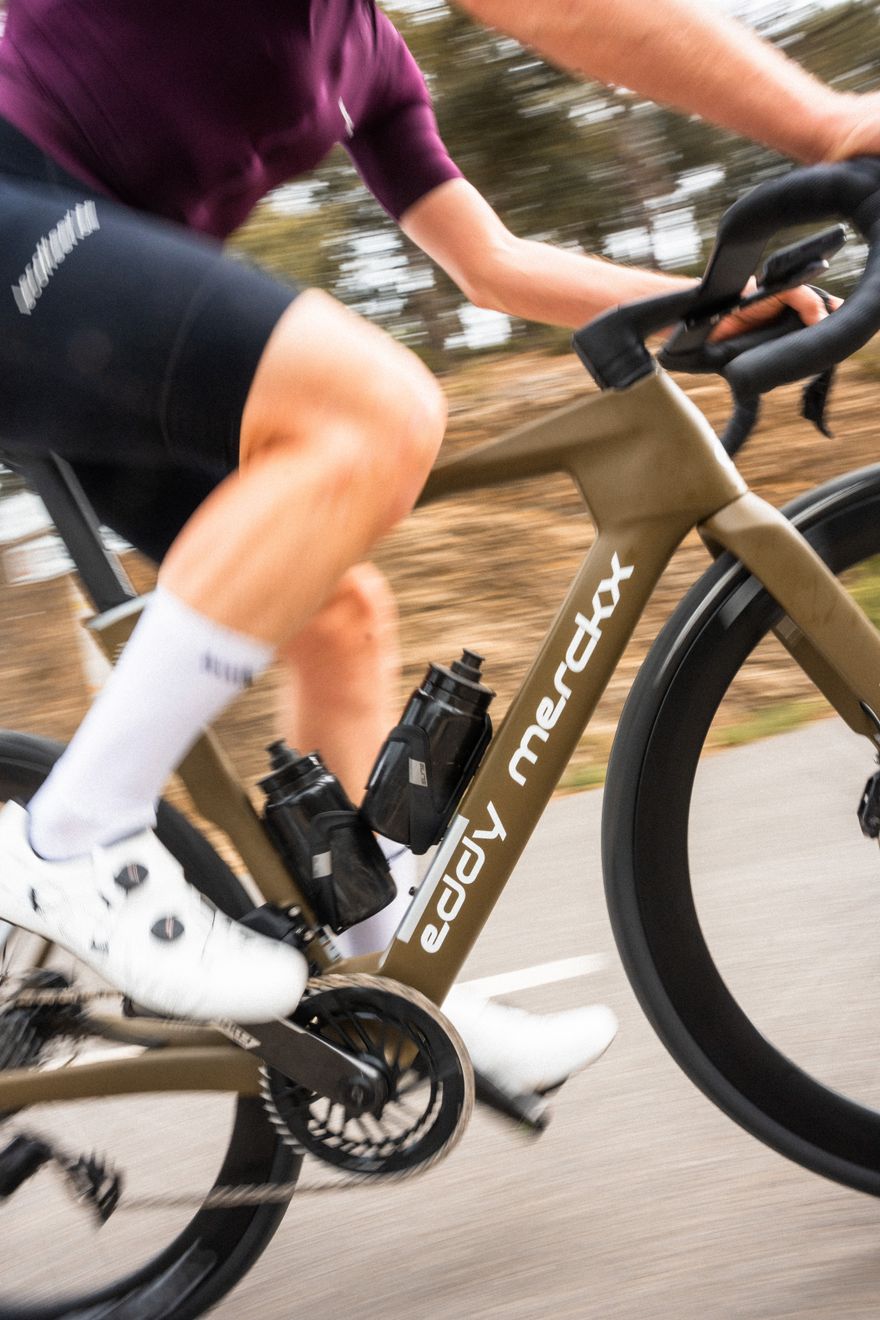
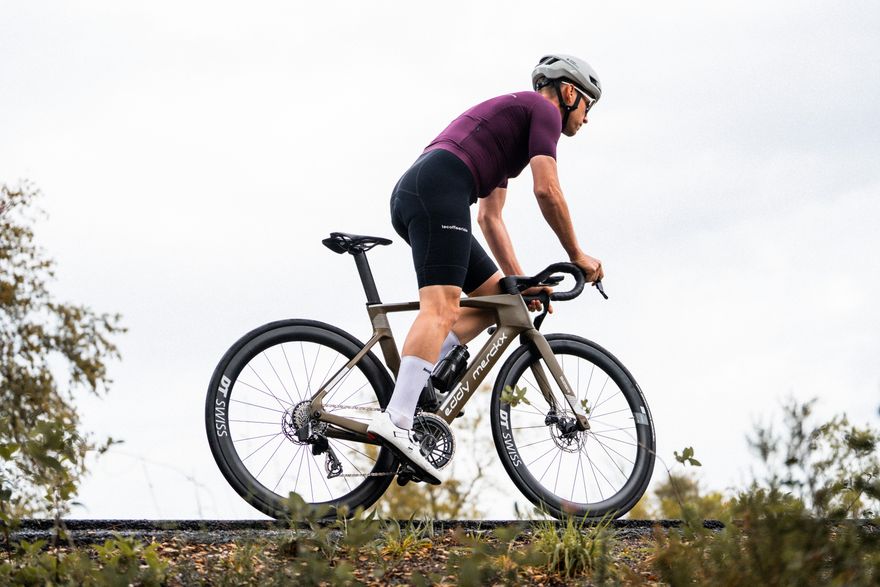
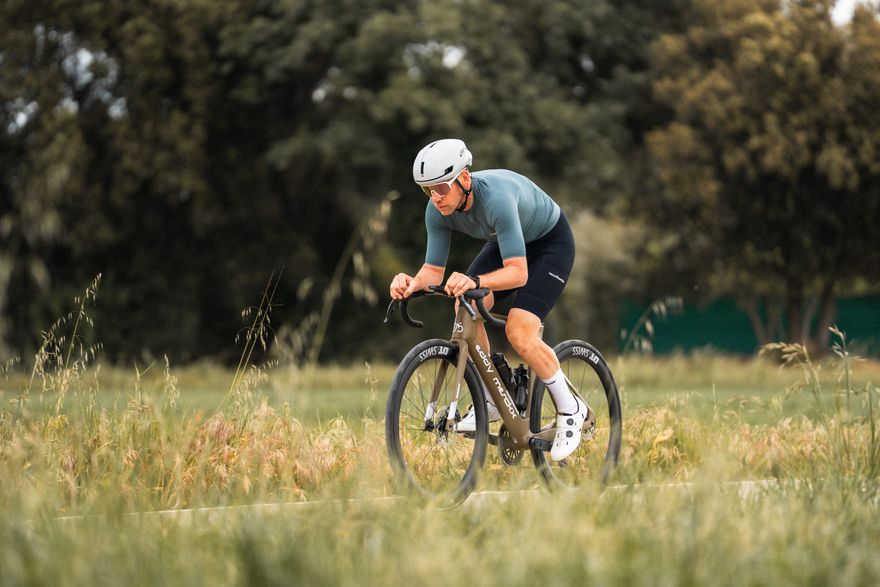
Modern bike fitting principles formed the foundation of the 525R’s development. Combined with extensive validation in the Aero Performance Lab wind tunnel, this resulted in a geometry that enables riders to sustain a faster, more aerodynamic position for longer, without compromising comfort.
With the 525R, we introduce several innovations aimed at optimising rider positioning and, ultimately, performance. A progressive seat angle ensures that riders of every frame size can achieve an optimal hip angle with reduced setback behind the bottom bracket. To support this, we have extended the reach, creating a balanced and powerful riding position that enhances both efficiency and control. In addition, a lower bottom bracket height lowers the rider’s centre of gravity, improving stability and confidence at higher speeds.
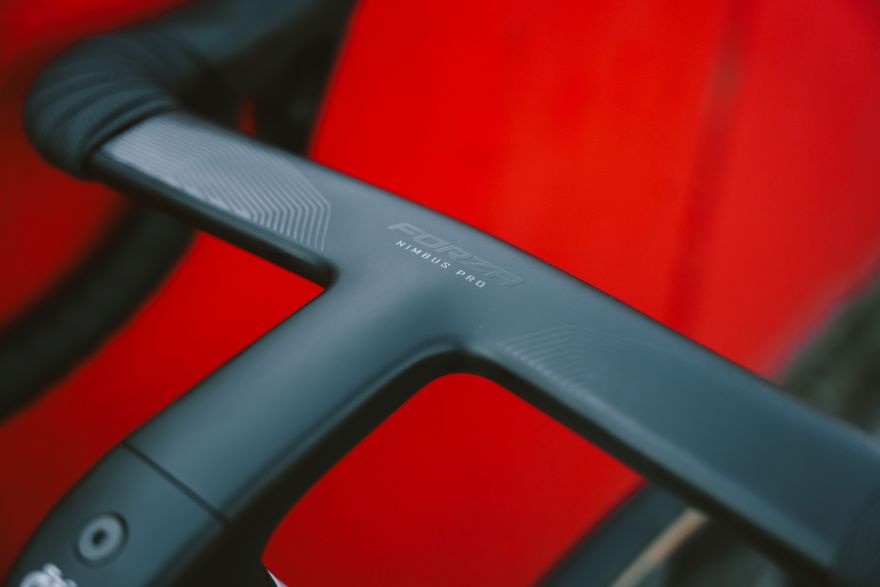
Combined with cockpit options – from the UCI-legal Forza Nimbus Pro handlebar (360/400 mm) for maximum aerodynamic efficiency to wider alternatives for increased comfort – the 525R can be perfectly tailored to individual preferences, while keeping riders fast, efficient and in control.
9% drag reduction
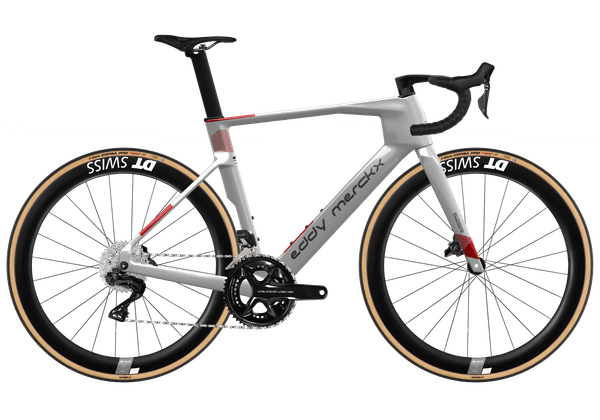
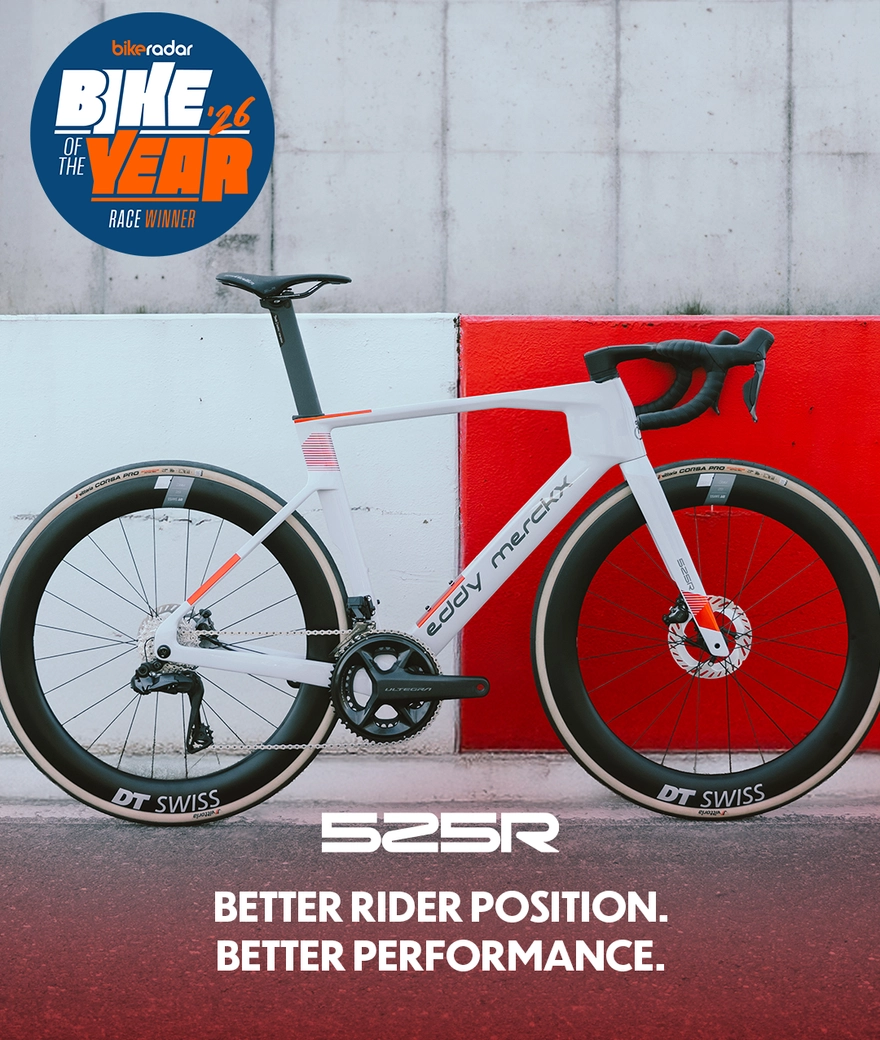
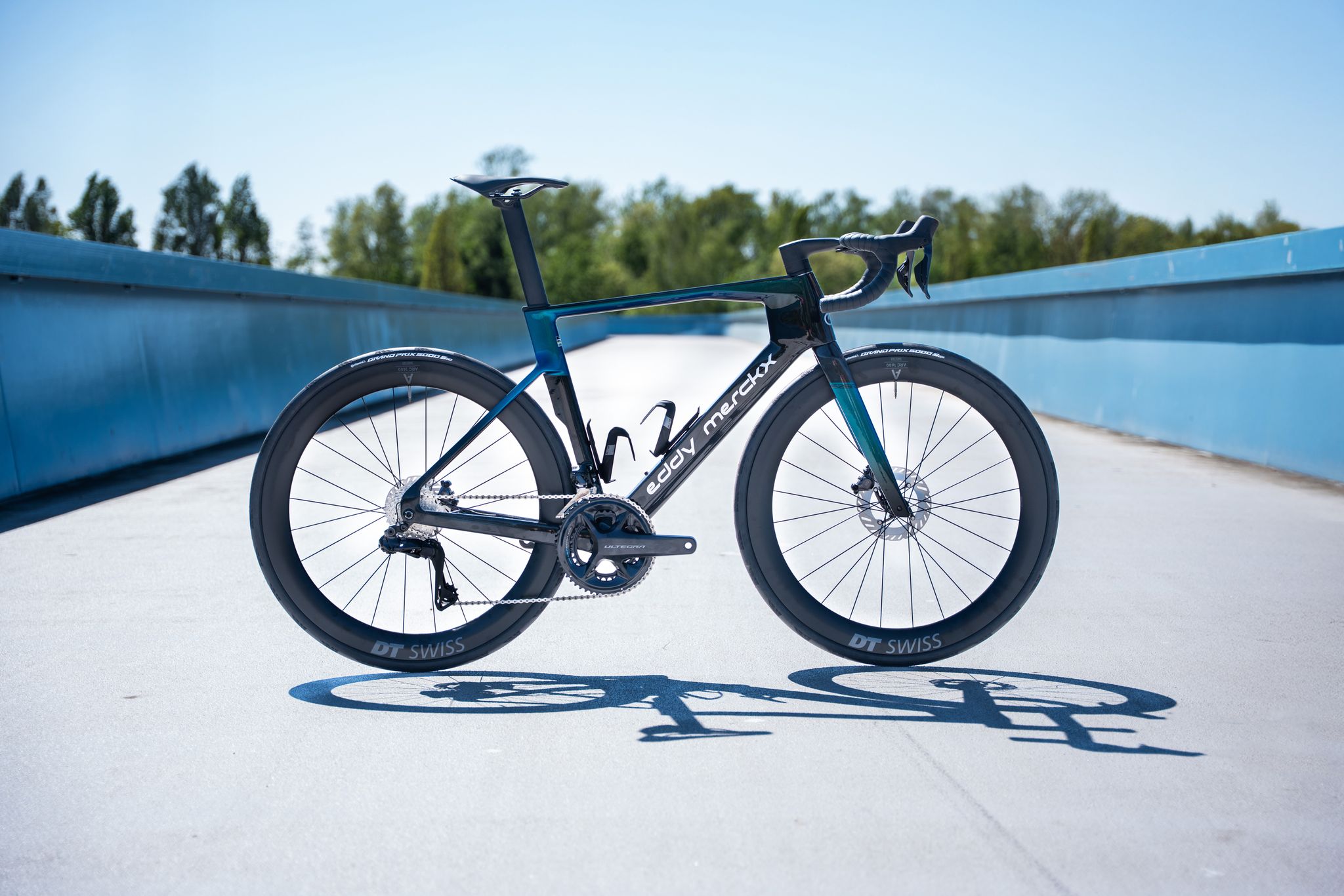
The 525R remains true to its racing DNA, combining aerodynamic efficiency with low weight and uncompromising performance. Through a series of carefully engineered refinements, the new platform achieves a 9% reduction in aerodynamic drag compared to its predecessor.
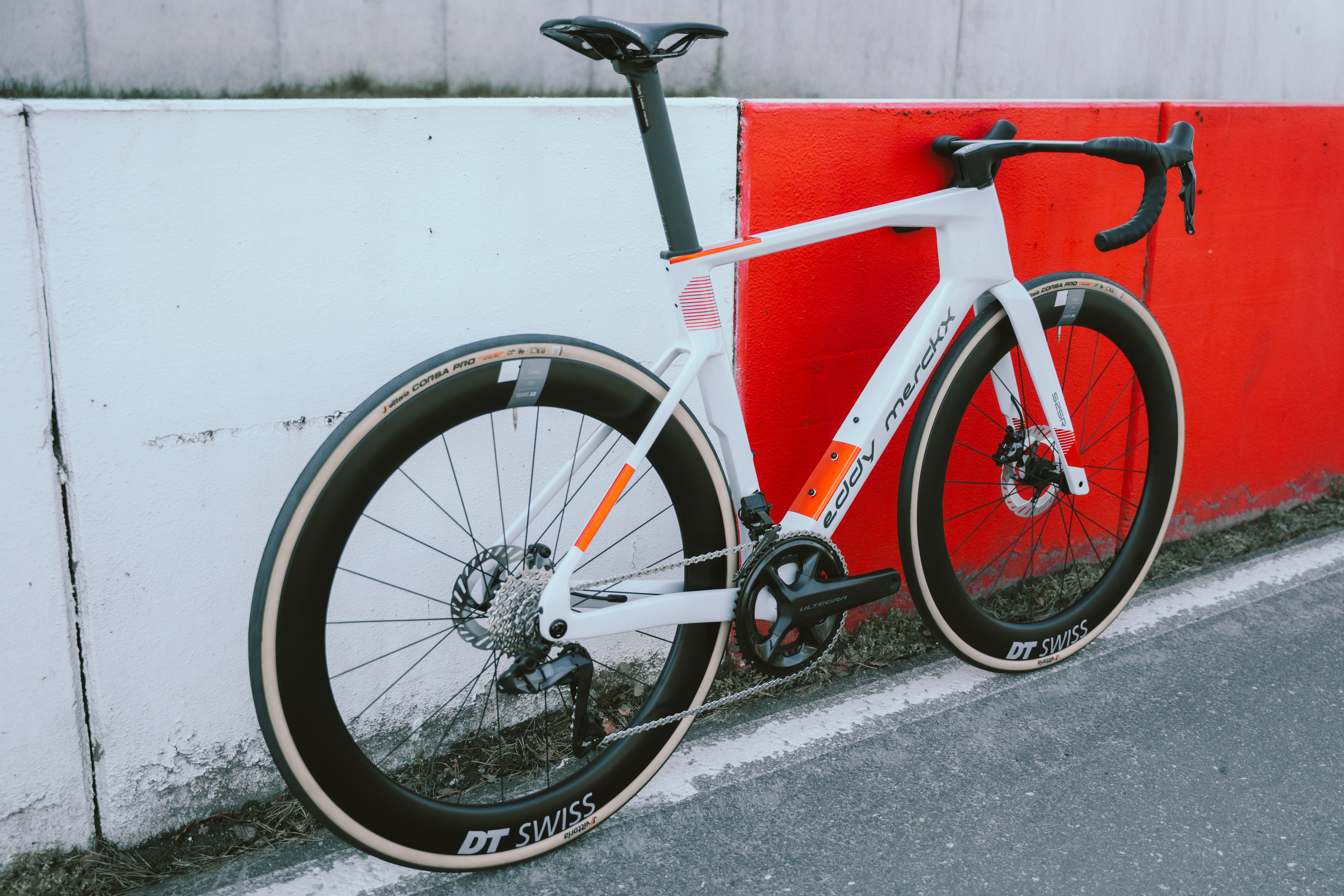
At its core is a high-modulus carbon frame, strategically reinforced to maximise stiffness and power transfer, while maintaining a competitive weight of just 952 grams in size M.
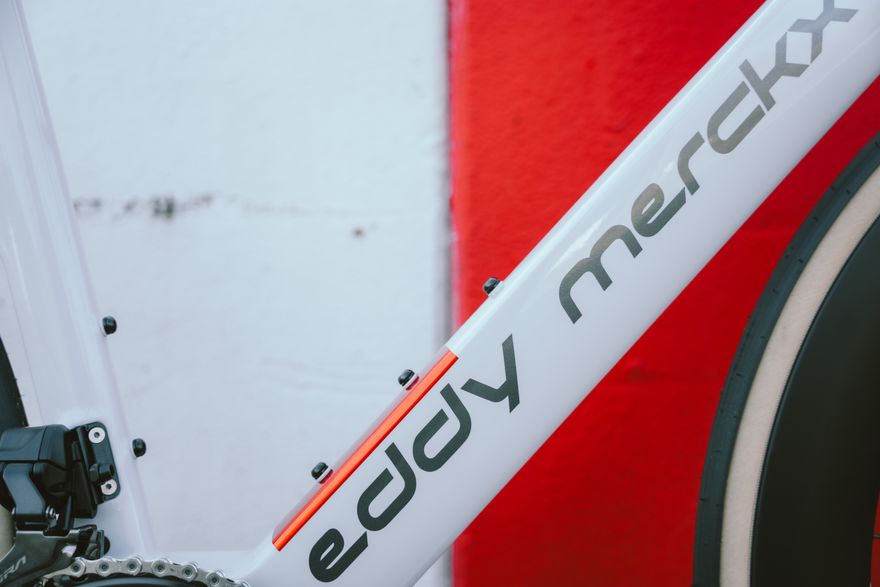
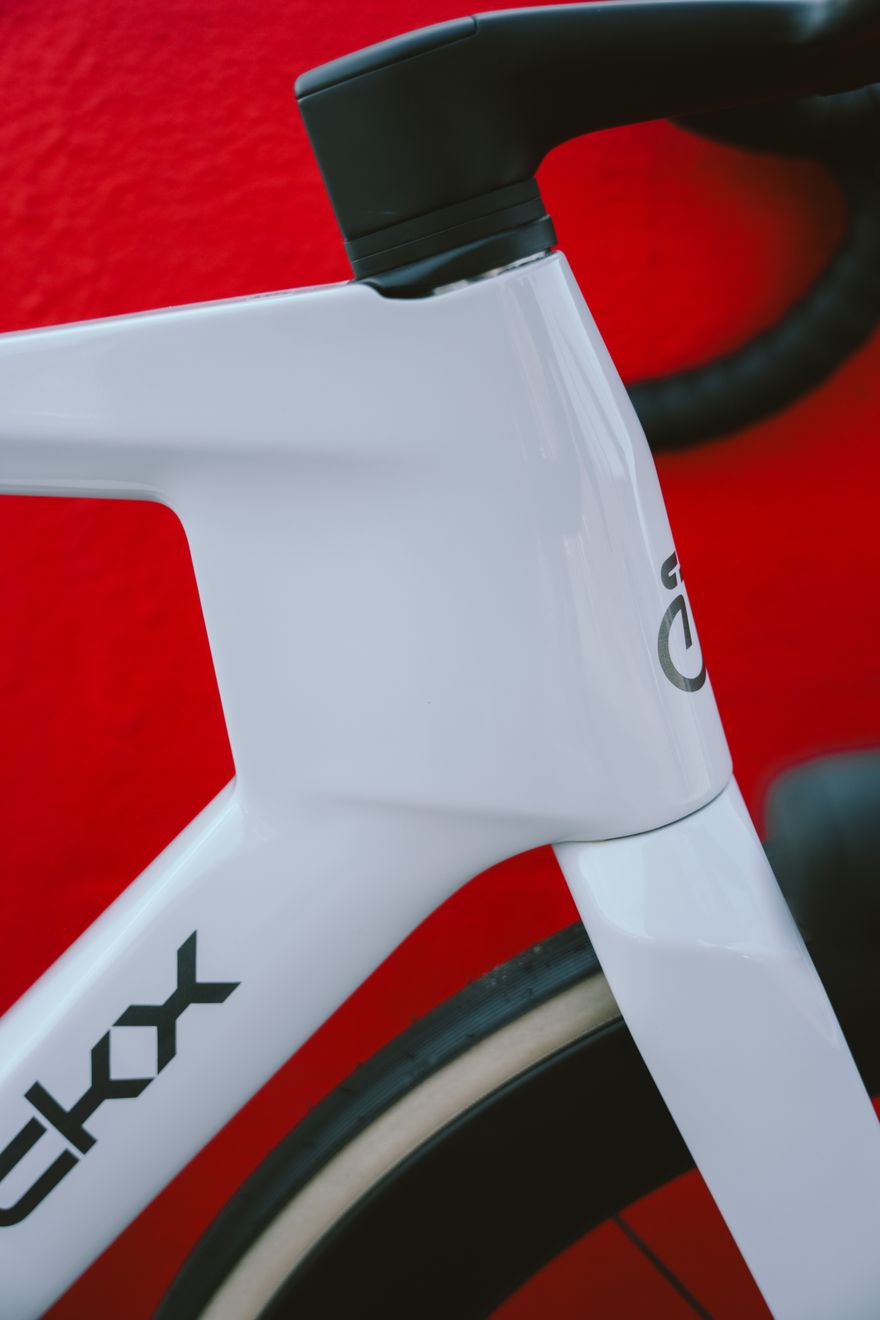
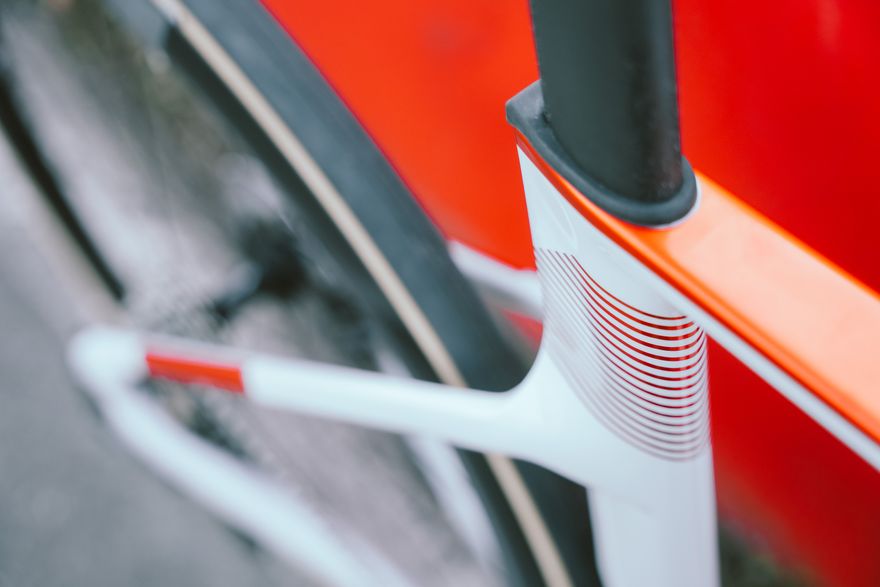
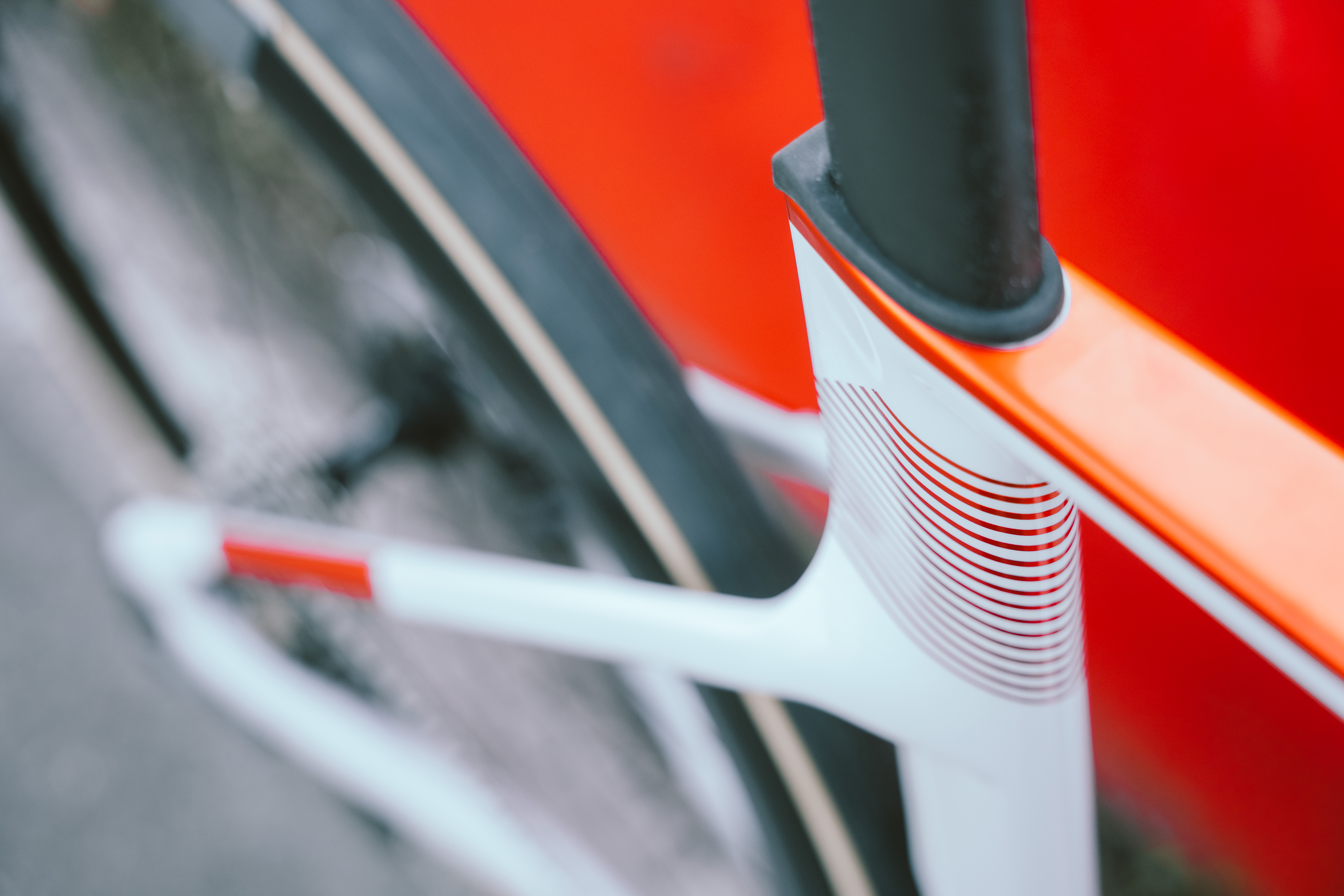
Aerodynamic performance is further enhanced by a deep head tube shaped to the limits of UCI regulations and a profiled downtube optimised to work seamlessly with mounted water bottles. An asymmetrical fork improves stability in crosswinds, while a diffuser-style fork crown guides airflow more efficiently around the downtube to reduce drag. The package is completed by a slim aero seatpost with an integrated clamp design, combining low weight, aerodynamic efficiency and reliable performance.
Optimised rider-bike system
Modern bike fitting principles formed the foundation of the 525R’s development. Combined with extensive validation in the Aero Performance Lab wind tunnel, this resulted in a geometry that enables riders to sustain a faster, more aerodynamic position for longer, without compromising comfort.
With the 525R, we introduce several innovations aimed at optimising rider positioning and, ultimately, performance. A progressive seat angle ensures that riders of every frame size can achieve an optimal hip angle with reduced setback behind the bottom bracket. To support this, we have extended the reach, creating a balanced and powerful riding position that enhances both efficiency and control. In addition, a lower bottom bracket height lowers the rider’s centre of gravity, improving stability and confidence at higher speeds.
Combined with cockpit options – from the UCI-legal Forza Nimbus Pro handlebar (360/400 mm) for maximum aerodynamic efficiency to wider alternatives for increased comfort – the 525R can be perfectly tailored to individual preferences, while keeping riders fast, efficient and in control.
9% drag reduction
The 525R remains true to its racing DNA, combining aerodynamic efficiency with low weight and uncompromising performance. Through a series of carefully engineered refinements, the new platform achieves a 9% reduction in aerodynamic drag compared to its predecessor.
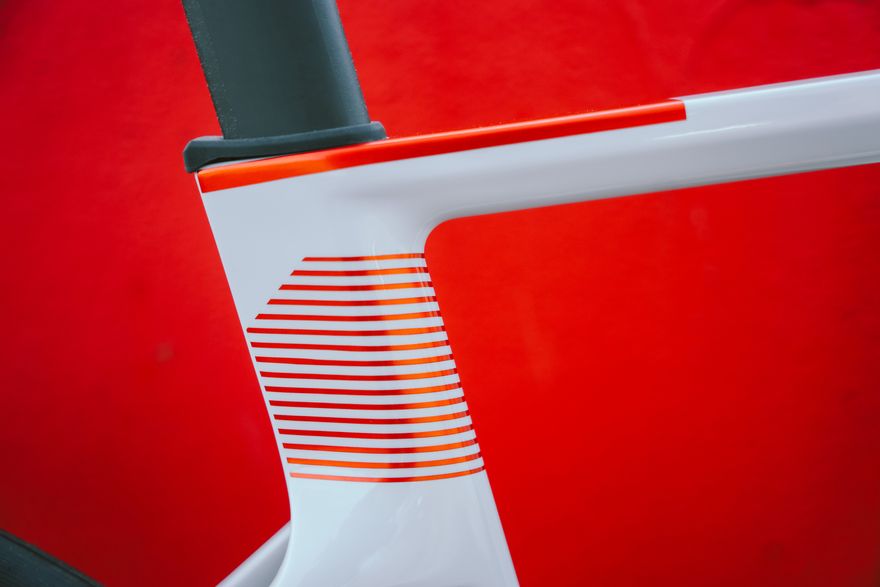
At its core is a high-modulus carbon frame, strategically reinforced to maximise stiffness and power transfer, while maintaining a competitive weight of just 952 grams in size M.
Aerodynamic performance is further enhanced by a deep head tube shaped to the limits of UCI regulations and a profiled downtube optimised to work seamlessly with mounted water bottles. An asymmetrical fork improves stability in crosswinds, while a diffuser-style fork crown guides airflow more efficiently around the downtube to reduce drag. The package is completed by a slim aero seatpost with an integrated clamp design, combining low weight, aerodynamic efficiency and reliable performance.
Other key features of the 525R
The 525R is equipped with a UDH interface for rear derailleurs, making it compatible with all existing road drivetrains. For riders opting for a 1x setup, we provide a removable front derailleur hanger, allowing the configuration to be perfectly tailored to their preferences.
In addition, we integrate CeramicSpeed SLT headset bearings with a lifetime warranty, ensuring reduced maintenance and long-lasting performance. With tire clearance up to 34 mm, the 525R also offers added versatility without compromising speed.
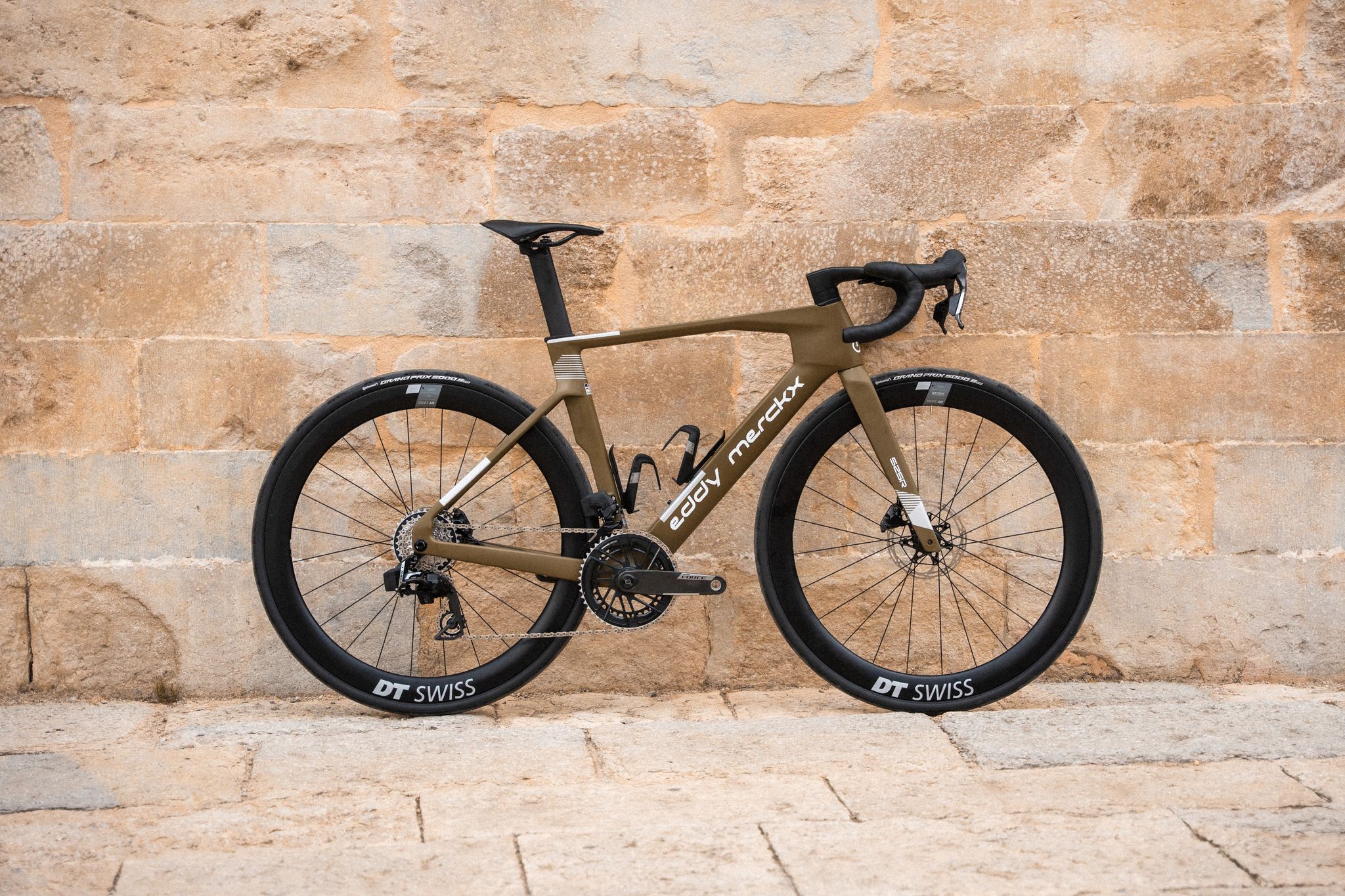
The 525R also proves its value in competition. Riders of Team Flanders-Baloise are racing on this model and made their debut with it earlier this year in iconic races such as the Tour of Flanders and In Flanders Fields. Riders Victor Vercouillie, Jules Hesters and Brem Deman rely on it every day.
In addition, we integrate CeramicSpeed SLT headset bearings with a lifetime warranty, ensuring reduced maintenance and long-lasting performance. With tire clearance up to 34 mm, the 525R also offers added versatility without compromising speed.
The 525R also proves its value in competition. Riders of Team Flanders-Baloise are racing on this model and made their debut with it earlier this year in iconic races such as the Tour of Flanders and In Flanders Fields. Riders Victor Vercouillie, Jules Hesters and Brem Deman rely on it every day.
About the progressive geometry
Pieter Potters, Head of Product at Belgian Cycling Factory: “With the Eddy Merckx 525R, we deliberately break away from traditional road bike geometry and adopt a progressive geometry aligned with modern bike fits. This means the seat tube angle becomes steeper as frame size increases, whereas traditionally the opposite happens with slacker angles for larger sizes. This conventional approach leads to a significant increase in saddle setback relative to the bottom bracket as saddle height increases.
Modern bike fits, however, aim to reduce the saddle-to-bottom bracket distance, opening up the hip angle. This improves power transfer to the pedals and makes it easier for the rider to maintain an aerodynamic position.
Taller riders often struggle to achieve this modern position on bikes with traditional geometry. They are forced to use seatposts with a more forward clamp and push the saddle as far forward as possible. This is often combined with longer stems to compensate for the loss in reach, which negatively affects handling.
That is why with the 525R, we opted for a longer reach combined with a steeper seat tube angle. This allows riders to use standard stem lengths, resulting in a balanced ride feel and predictable handling. In addition, the relaxation of UCI regulations regarding saddle setback – from a minimum of 5 cm to 0 cm – allows even more forward positions to be adopted.”
Modern bike fits, however, aim to reduce the saddle-to-bottom bracket distance, opening up the hip angle. This improves power transfer to the pedals and makes it easier for the rider to maintain an aerodynamic position.
Taller riders often struggle to achieve this modern position on bikes with traditional geometry. They are forced to use seatposts with a more forward clamp and push the saddle as far forward as possible. This is often combined with longer stems to compensate for the loss in reach, which negatively affects handling.
That is why with the 525R, we opted for a longer reach combined with a steeper seat tube angle. This allows riders to use standard stem lengths, resulting in a balanced ride feel and predictable handling. In addition, the relaxation of UCI regulations regarding saddle setback – from a minimum of 5 cm to 0 cm – allows even more forward positions to be adopted.”